
The church in the western world seems to be weak. Certainly, if we compare it to the dynamic church in the book of Acts.
Yet we have resources, facilities, highly educated clergy and more spare time than most people had in the ancient world.
So what’s gone wrong?
I wonder whether one problem is the way the western church is dominated by theologically trained preachers telling us what to believe, but not helping us to serve in the mission Jesus left us.
9 ways experts are killing the church
(and how to make things better)
1. Transformation, not mere knowledge
Our aim in our churches is to make disciples (Matthew 28:18-20), that is, people who follow Jesus in their lives, not just people who know facts about Jesus.
Jesus made clear that knowing and speaking the right thing isn’t as important as obeying his teachings (John 14:23, Matthew 21:28-31). James says we must do more than just hear (James 1:22-25) and Paul was suspicious of knowledge without love (1 Corinthians 13:2-8, 8:1-11).
So teaching in churches, whether in the services themselves, or in groups or one-on-one, must aim at transformation, not just knowledge. So we don’t so much need expert Bible knowledge in our pastors as the ability to demonstrate and motivate obedient living.
2. We learn by talking
Our brains are made so we learn better if we can speak out what we have been learning. This can happen in several ways:
- Our brains are more likely to absorb and remember if learning takes place in a discussion setting, or is preceded and followed by discussion.
- We also learn and remember better when we explain what we’ve learnt to someone else. Even explaining it to ourselves helps.
So talks by theological “experts” may contain more content, but often we’ll learn more in discussion, even if the learning is slower. Teaching by a trained pastor interspersed with discussion can be a way to do this in church services.
3. We learn best from peers, not experts
Surprisingly, studies show that we generally learn better when the information comes from a non-expert “just like us”. It seems that remembering how hard it was to learn plus speaking on the same level and in familiar words helps hearers retain the information.
4. People learn by doing
We learn better when we can put into practice what we are learning. Just sitting listening to an expert won’t teach us nearly as much as learning in the situation.
While this particularly applies to practical skills like brick-laying, role playing and discussing practical situations we may encounter in sharing our faith will help retain and use what has been learnt. It helps to make mistakes in role plays rather than when ministering!
5. Mentoring, not lecturing
Mentoring connects younger Christians with older or more experienced ones, and allow one-on-one discussion, answering the actual questions being asked by the younger christian (not just the questions the pastor thinks should be important!) and proving supportive guidance. Good mentors are sensitive and avoid strong direction.
And of course, paid church staff can’t mentor everyone, and probably (as in #3) “ordinary” Christians will likely communicate better.
6. Variety is good
Different people have different understandings, different ways of expressing themselves and different stories to tell. Rather than depending on one or two Bible-trained pastors, it can be helpful to utilise a wider range of people, expert and non-expert alike.
7. Teach how, not what
There is an old saying that: “Give a person a fish, and you feed them for a day; show them how to catch fish, and you feed them for a lifetime.”
Instead of experts teaching people each week what they should believe from the Bible, far better is to teach them how to read and understand the Bible for themselves.
This principle agrees with Jeremiah’s prophecy (31:34): “No longer will they teach their neighbor, or say to one another, ‘Know the Lord,’ because they will all know me, from the least of them to the greatest” and Paul’s teaching (Ephesians 4:11-12: “So Christ himself gave the apostles, the prophets, the evangelists, the pastors and teachers,to equip his people for works of service”.
Where churches have become people outsourcing their learning to a few pastors, the people are likely to become passive and uninvolved, a sure recipe not just for not learning much, but also not changing and not being motivated to do ministry in their own sphere of influence.
8. Active learning
Together these principles add up to “active learning“, where all Christians take responsibility for their own discipleship, and actively seek to learn and equip themselves for ministry.
Pastors can utilise active learning principles in their teaching and disciple-making, helping their congregations be more acrtive in their faith and more likely to retain teaching and act upon it.
9. Doubt can be our friend
If we value Biblical or doctrinal knowledge above all else, as many ministers seem to do, then we’ll be tempted to think we know the truth and we should correct anyone who thinks differently to that truth. And so we may be very controlling of discussion and disrespectful of the freedom for those who doubt.
But none of us knows everything, and all of us may be wrong about some things. Doubt can be the gateway to a new understanding. Questions are one of the best ways to learn.
Many people would benefit if pastors and churches gave their congregations more freedom to question, doubt and disagree about matters which aren’t core to the faith.
Getting it right
I believe all these factors have led to churches where staff do almost all the important teaching of adults, leaving “laypeople” to care for children and youth, serve on gardening rosters and otherwise sit passively in church services and listen to their pastors.
It is little wonder that we aren’t making many adult converts. Pastors don’t live enough in the world to know how to evangelise. The people who do know the secular culture because they live in it each day don’t have the training or confidence to evangelise.
Something needs to change!
The key: servant leadership ….
Pastors are generally trained to preach and to “run” the church organisation. And more and more (it seems to me) they are fearful of change and challenge, so they increasingly control what happens in “their” churches.
They don’t always appear to be trained to equip others. To hand over teaching to others. To trust lay people to make ministry decisions. Too many run their churches in a presidential way. It seems efficient, but it stifles the huge resource of the congregation’s gifts.
Making change will require pastor to think differently and to learn new skills. Some will be unable to do this. Some will be unwilling. Some will feel their position is being threatened.
We need servant leaders, leaders who accept Jesus teaching that if we want to be great in God’s kingdom, we must be the servant of all (Mark 9:35).
…. and active Christians
But there are two sides to every coin. It can be easy for ordinary christians to outsource our spirituality to our leaders. To pay our offerings and expect to be passive consumers.
But each of us is responsible to God for what we do with our lives (Matthew 25:14-30). The pastors can’t do their job of equipping us to do ministry if we’re unwilling.
Is change necessary?
If we want to carry out Jesus’ mission to our troubled world, I think we have no choice.
What do you think?
Photo: Safari Consoler.
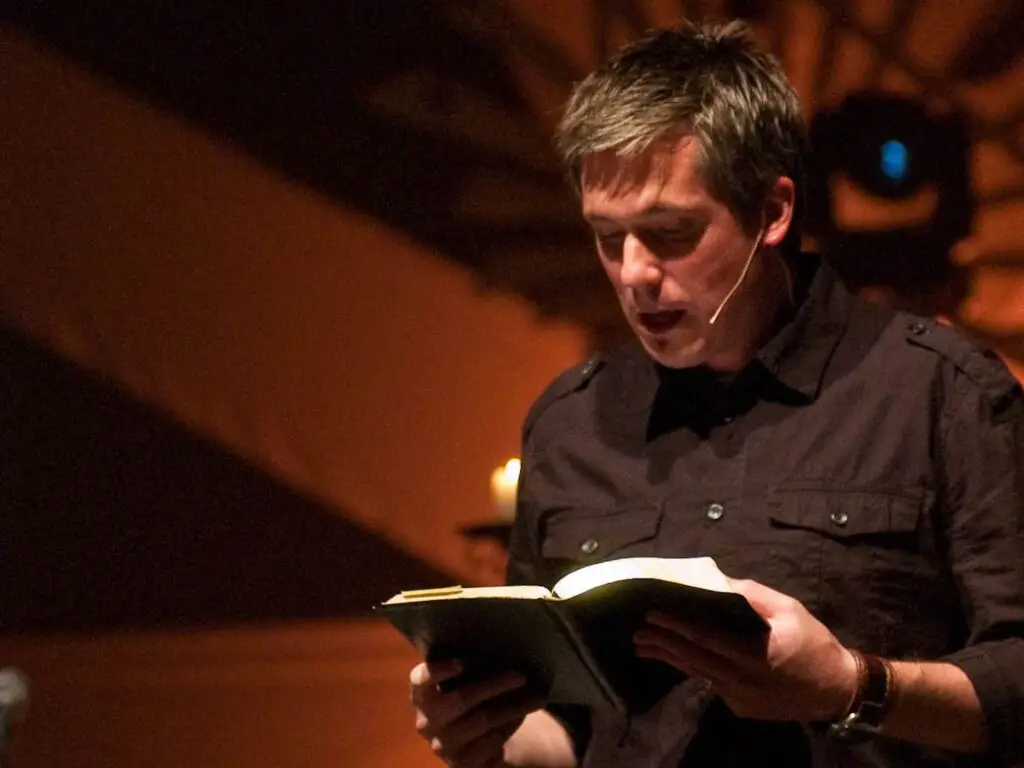
Sermons: not a good way to teach and make disciples
Information from neuroscientists and educators on how to communicate best to the brains God has given us. Sermons are not the best way.
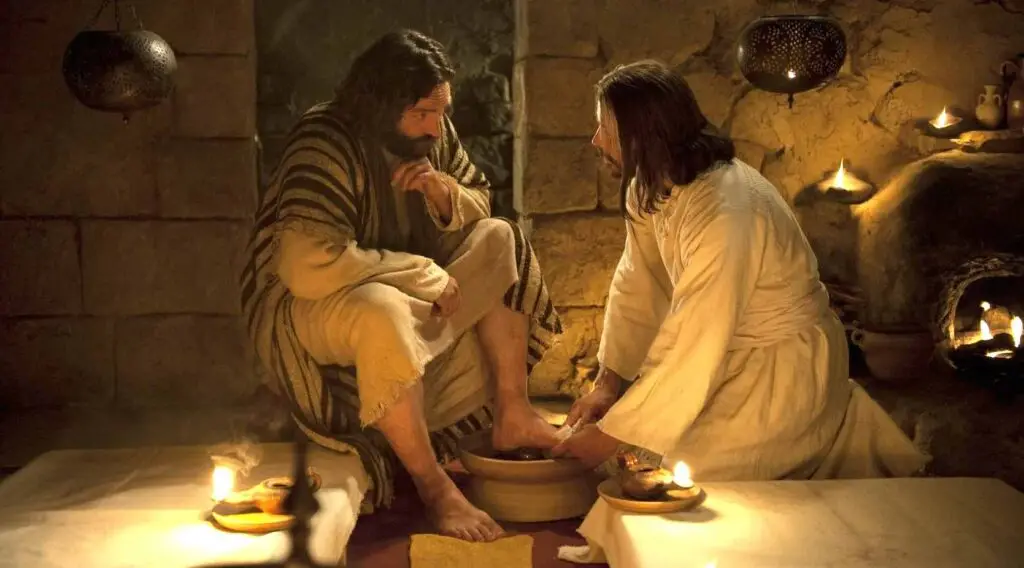
Who’s the boss? Leadership in the christian church
Leadership is an important matter for christians. What if we have got it badly wrong? We can learn from Jesus.

Church in a circle
Different ways to make church more active than passive, more sharing than monologue, and hence more interesting and effective.

Why discussion is important
Discussion may be seen as an optional extra but educators have found it has a crucial and essential role in remembering, learning and acting on information.
Leave a Reply