
I have just returned from the 2026 Common Grace Let Justice Flow conference. More on that another time.
It is the third of these conferences I have attended and I want to quickly share something that has stood out to me each time.
First nations church
One of the justice themes addressed by Common Grace, and one of the issues at these conferences has been Aboriginal and Torres Strait Islander justice.
So on the Sunday, a church service has been led by Aboriginal Christian leaders.
And one of the features of this service has been the absence of someone up the front giving a 25 minute sermon.
Instead, about five Aboriginal Christians have briefly shared their thoughts on a Bible passage. Instead of getting an academic analysis of the passage, we have been treated to insights and personal reflections from the perspective of a resilient people who see the scriptures from the point of view of an oppressed minority – much the same perspective as the writers of scripture.
Why this works better
Educators and psychologists know that sermons are not a good way to communicate and see people’s lives and attitudes changed.
Listeners generally remain passive and are unlikely to focus for the whole talk. Not much is remembered later, and people don’t change much as a result.
Discussion is the best way to reduce passivity and increase effectiveness of communication. But if this isn’t possible or easy in a church service context, then reducing the length of talks and making them more personal, more like story telling, will improve communication significantly.
First Nations people in Australia tend to use group yarning rather than one person doing all the talking. These short talks are closer to yarning. They are generally based on experiences and stories.
Studies have shown that we learn better from peers than from experts, even though experts know more. So while lectures from experts have their place, especially in academic settings, being encouraged and learning from the experience of non-experts is more likely to help us day-to-day.
For day to day Christian discipleship, academic knowledge isn’t as important as encouragement and learning from each other.
I wish more people would give it a go
Arranging for several people to give a short talk or reflection takes a little more organising, but the overall load is spread, so it isn’t onerous for anyone.
Why not give it a try?
Read more
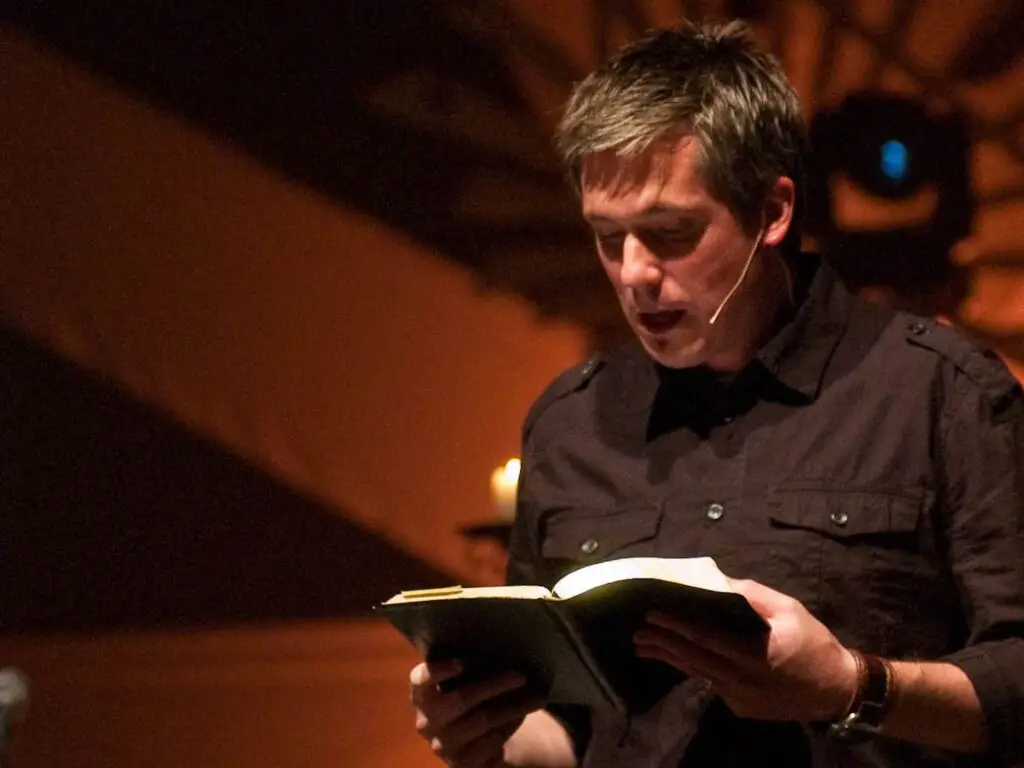
Sermons: not a good way to teach and make disciples
Ideas on how to communicate best to the brains God has given us. Sermons are not the best way.

9 ways experts are killing the church?
Is the western church not making progress because pastors run things and lay people are passive?

Do we really want to communicate?
Christian churches have a number of functions, and one of them is communication. How can we do it as best we can?
Leave a Reply